The manufacturing landscape is changing. Customers are increasingly seeking low-volume, high-mix production—small batches of highly customized parts—instead of mass-produced, standardized components.
This trend is driven by industries such as aerospace, medical devices, automotive prototyping, and consumer electronics, where flexibility and speed are as important as precision.
But how can machine shops adapt to this shift and remain competitive?
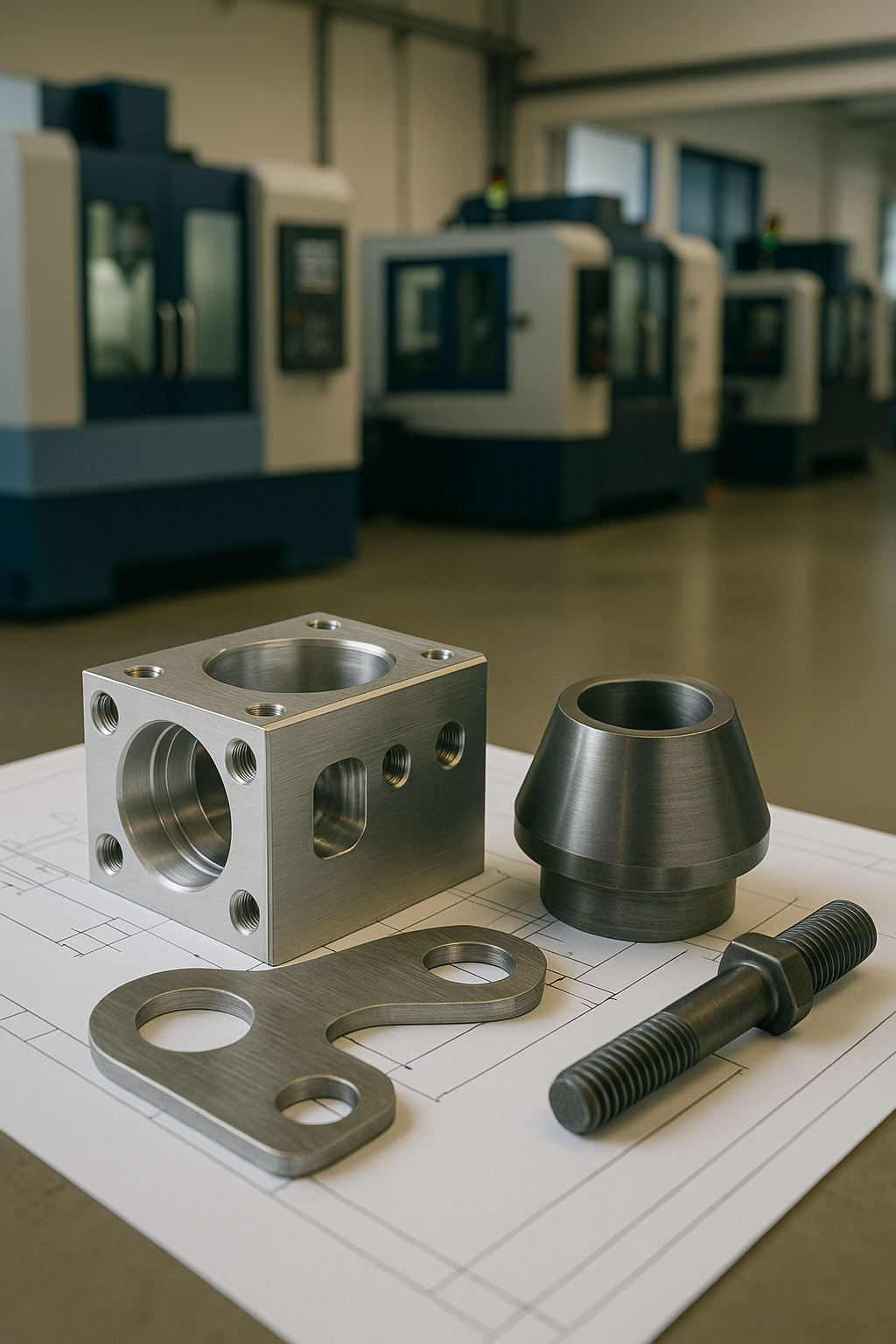
What is Low-Volume, High-Mix Production?
In a low-volume, high-mix (LVHM) environment, manufacturers produce smaller quantities of many different part types. Unlike traditional high-volume production, which focuses on efficiency for large runs of identical products, LVHM requires:
Frequent changeovers
Quick adaptation to new designs
A greater emphasis on flexibility over economies of scale
This trend reflects customers’ growing demand for customization, faster delivery, and rapid product innovation.
Challenges for Machine Shops
Adopting a LVHM model comes with unique challenges:
❌ Shorter Lead Times: Customers expect quick turnaround even for complex parts.
❌ Frequent Setup Changes: Switching between jobs increases downtime.
❌ Complex Scheduling: Managing diverse orders while maximizing machine utilization is difficult.
❌ Inventory Risks: Stocking materials for diverse projects can increase costs.
How Machine Shops Can Respond
✅ 1. Invest in Flexible Manufacturing Systems
Modern CNC machines with multi-axis capabilities and quick-change tooling systems allow shops to handle diverse parts without excessive setup times.
✅ 2. Adopt Digitalization and Smart Manufacturing
CAD/CAM Integration: Speeds up the transition from design to production.
ERP and MES Systems: Improve scheduling, track orders in real time, and manage resources efficiently.
AI-Powered Process Optimization: Adjusts machining parameters on the fly for different materials and geometries.
✅ 3. Focus on Skilled Workforce and Training
Cross-trained machinists can handle different machines and processes, enabling smoother transitions between jobs.
✅ 4. Build Strong Supplier Relationships
Quick access to diverse raw materials is critical for fulfilling varied customer demands.
✅ 5. Embrace Prototyping and Value-Added Services
Offering design-for-manufacturing (DFM) support or small-batch prototyping services strengthens customer relationships and opens new revenue streams.
Advantages of Embracing Low-Volume, High-Mix
✔ Stronger Customer Loyalty: Meeting specialized needs sets shops apart from mass producers.
✔ Higher Margins: Custom work often commands premium pricing.
✔ Diversification: Serving multiple industries reduces dependence on a single market.
Summary
Low-volume, high-mix production isn’t just a passing trend—it’s the future of precision manufacturing. Machine shops that invest in flexibility, smart technologies, and skilled teams will thrive in this environment, turning challenges into opportunities for growth.
At Unison Tek, we specialize in small-batch, high-precision metal parts tailored to diverse industry needs. Our advanced capabilities and customer-focused approach make us an ideal partner for companies seeking reliable solutions in a LVHM world.
Get more info, please visit our CNC Turning Parts or Products. Contact us for your customized metal parts.