In precision machining, the use of cutting fluid plays a vital role in determining the final surface quality of a component.
Beyond simple lubrication, cutting fluids influence temperature control, tool wear, chip evacuation, and overall machining stability.
Selecting and managing the right fluid can mean the difference between a flawless finish and a part that requires costly rework.
Additionally, factors such as cleanliness and corrosion prevention must be carefully managed to maintain consistent performance and long-term durability.
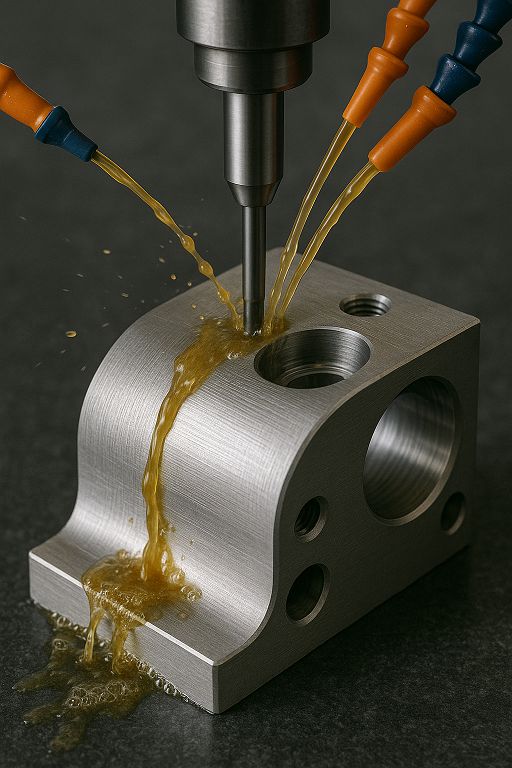
The Purpose of Cutting Fluids in Machining
A cutting fluid serves multiple purposes during machining operations. It lubricates the contact zone between the cutting edge and the workpiece, removes generated heat, and flushes away chips that could otherwise damage the surface.
Primary functions of cutting fluid:
Lubrication: Reduces friction between tool and material.
Temperature control: Minimizes heat buildup that can cause deformation or roughness.
Chip removal: Prevents recutting and surface scratching.
Corrosion prevention: Protects both the workpiece and machine surfaces from oxidation.
When properly applied, cutting fluids help maintain consistent machining stability and extend tool life while improving finish precision.
Temperature Control and Surface Finish
Temperature control is one of the most critical factors in achieving superior surface quality.
Excessive heat can cause tool expansion, thermal distortion, or microstructural changes in the workpiece.
Proper cooling through cutting fluid application ensures dimensional accuracy and reduces surface roughness.
Best practices for temperature control:
Use high-pressure or through-spindle coolant systems for deep or high-speed cuts.
Maintain stable coolant temperature to prevent thermal shock.
Adjust flow rate to provide even coverage across the cutting zone.
Stable temperature control enhances machining stability, resulting in smoother finishes and tighter tolerances.
Cleanliness and Contamination Control
Over time, contaminated cutting fluid can degrade machining performance and compromise surface quality.
Chips, oil residue, and microbial growth reduce lubricity and increase tool wear. Maintaining cleanliness ensures consistent cutting performance and prevents staining or buildup on precision parts.
Cleanliness management tips:
Regularly filter and replace cutting fluid to remove particulates.
Monitor pH and concentration levels to maintain proper chemical balance.
Use biocides or anti-foaming agents when necessary to extend fluid life.
Clean tanks, filters, and nozzles during scheduled maintenance.
Good cleanliness control prevents abrasive contamination that could scratch the surface or reduce finish uniformity.
Corrosion Prevention for Long-Term Protection
After machining, residual cutting fluid on parts can either protect or damage the surface, depending on its formulation and maintenance.
Fluids with strong corrosion prevention additives protect freshly machined metal from oxidation and discoloration—especially in humid environments.
Corrosion prevention practices:
Choose fluids with rust inhibitors suitable for your material type.
Ensure complete fluid coverage during machining.
Rinse or wipe parts properly if post-processing or plating is required.
A well-maintained fluid not only supports surface quality but also prevents rust on both workpieces and machine components.
Cutting Fluid and Machining Stability
Consistent machining stability depends on maintaining uniform lubrication and heat control.
Poor fluid delivery or composition can cause tool chatter, uneven cutting forces, or thermal expansion—all of which degrade surface quality.
To enhance machining stability:
Optimize nozzle position for direct fluid impact at the cutting interface.
Use fluids designed for your specific cutting speeds and materials.
Integrate sensors or flow monitoring for real-time feedback on cutting fluid performance.
A balanced cutting fluid system ensures reliable, vibration-free cutting and uniform surface finishes.
Summary
The choice and management of cutting fluid directly affect surface quality, tool performance, and production efficiency.
Through effective temperature control, strict cleanliness, reliable corrosion prevention, and optimized delivery systems, manufacturers can achieve stable and repeatable results.
Maintaining the right cutting fluid conditions not only improves machining stability but also extends tool life, enhances precision, and reduces long-term production costs—making it a cornerstone of modern precision manufacturing.
Get more info, please visit our CNC Turning Parts or Products.
Contact us for your customized metal parts.