The precision machining industry stands at the crossroads of technological advancement and workforce decline. While demand for high-precision components continues to grow across industries like aerospace, medical devices, and semiconductors, manufacturers are increasingly challenged by a shortage of skilled labor.
As experienced machinists retire and fewer young workers enter the trade, companies must rethink how to maintain productivity, quality, and competitiveness. This article explores the root causes of the labor gap and the strategies leading manufacturers are adopting to overcome it.
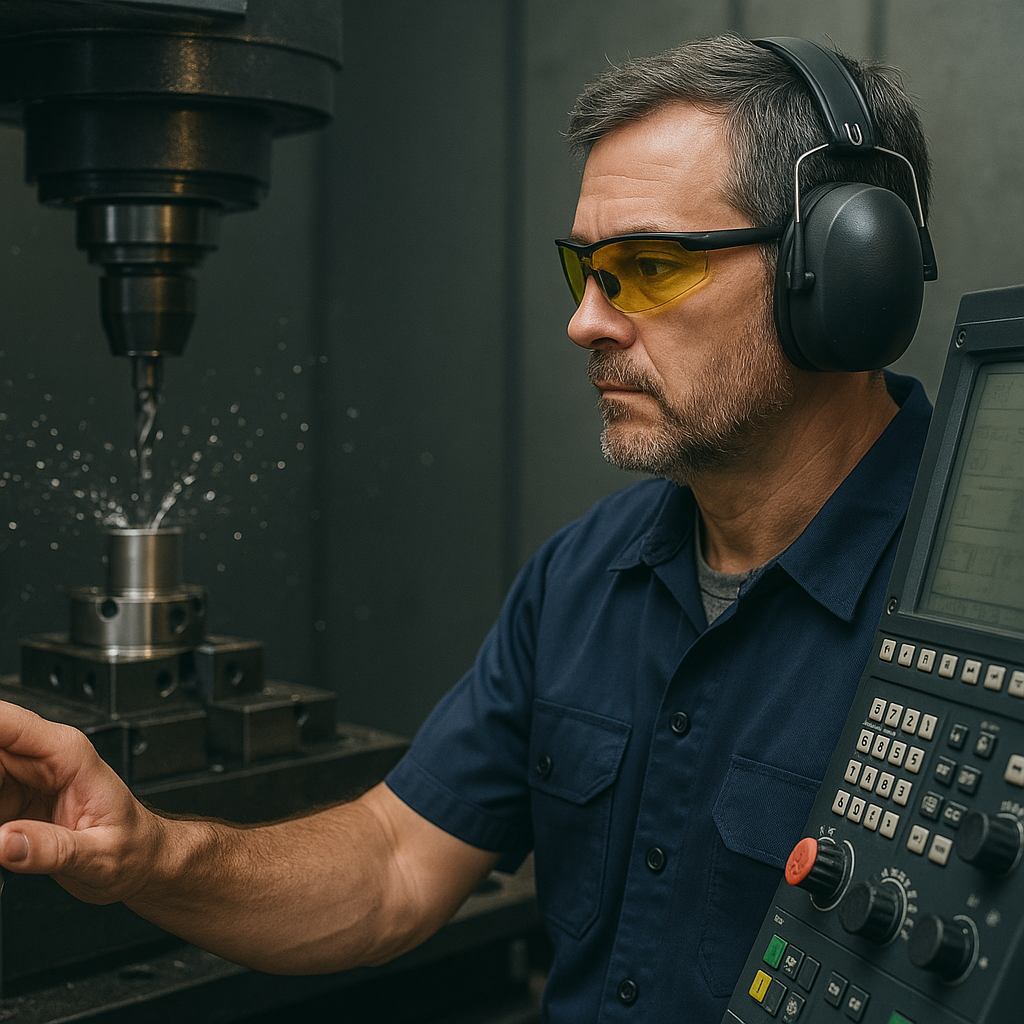
Understanding the Labor Shortage in Machining
The labor shortage in precision machining is driven by several key factors:
Aging workforce: Many highly skilled machinists are nearing retirement, with fewer replacements trained to take their place.
Lack of vocational interest: Younger generations are more inclined toward software and service careers, overlooking the opportunities in advanced manufacturing.
Training gap: Technical schools and apprenticeships have not kept pace with the rapid evolution of machining technology.
Perception problem: Manufacturing is still seen by some as physically demanding or outdated, despite its modern, high-tech nature.
As a result, shops are struggling to find and retain talent capable of running complex CNC machines, programming, and maintaining quality standards.
How the Industry Is Responding
1. Investing in Automation
To reduce dependency on manual labor, many machine shops are turning to automation. CNC machines with automated tool changers, robotic loading/unloading systems, and lights-out manufacturing setups allow for 24/7 production with minimal human input.
While automation does not eliminate the need for skilled workers, it reduces the number of operators required per machine and frees up skilled staff for more value-added tasks.
2. Upskilling and Cross-Training Employees
Manufacturers are placing greater emphasis on internal training programs to upskill existing workers and reduce reliance on external hiring. Cross-training employees in multiple roles (e.g., CNC operation, inspection, setup) improves shop-floor flexibility and workforce resilience.
In-house mentorship programs help transfer tribal knowledge from experienced machinists to the next generation.
3. Partnering with Technical Schools and Trade Programs
Many precision machining companies are collaborating with local technical colleges, vocational schools, and apprenticeship programs to build a talent pipeline. These partnerships include:
Offering internships and co-op opportunities
Donating equipment or materials
Participating in curriculum development
Hiring graduates directly from training programs
Some companies also sponsor scholarships or competitions to promote careers in advanced manufacturing.
4. Embracing Digital Tools and Smart Machining
By integrating user-friendly software, AI-powered CAM systems, and real-time machine monitoring, shops can reduce the learning curve for new operators and make processes more intuitive.
Digital tools also allow for remote monitoring and diagnostics, making it easier for a leaner team to manage more machines with fewer errors.
5. Improving Workplace Culture and Retention
Attracting and retaining skilled talent also means fostering a positive, modern work environment. This includes:
Competitive wages and clear career progression
Clean, climate-controlled facilities
Flexible shifts and work-life balance
Recognition and continuous learning opportunities
By showing that machining is a high-tech, rewarding career path, companies can shift perceptions and attract younger workers.
Conclusion
The skilled labor shortage is one of the most pressing challenges in precision machining—but it also presents an opportunity. By embracing automation, investing in workforce development, and rebranding manufacturing as a modern, tech-driven industry, companies can build a stronger, more resilient foundation for future growth.
At Unison Tek, we believe that the key to success lies in combining cutting-edge technology with skilled people. Through smart hiring, continuous training, and investment in automation, we continue to deliver world-class precision components—no matter the labor market conditions.
Looking for a machining partner ready for the future? Let’s build it together.
Get more info, please visit our CNC Turning Parts or Products. Contact us for your customized metal parts.