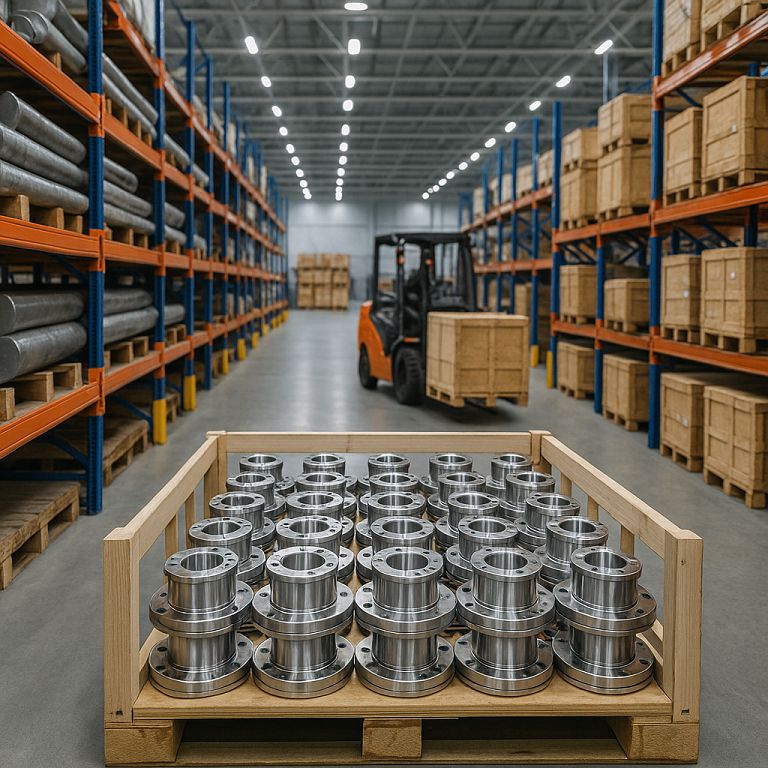
The Importance of Supply Chain Resilience
Precision components are often mission-critical. A single delayed or defective part can halt entire production lines, disrupt product launches, or jeopardize safety.
Resilient supply chains ensure that companies can withstand disruptions, adapt quickly to changing conditions, and maintain delivery commitments without sacrificing quality.
For manufacturers, resilience is not just a competitive advantage—it is essential for long-term sustainability.
Key Challenges in Precision Component Supply Chains
Several factors complicate supply chain management in the precision machining industry:
Global disruptions: Natural disasters, pandemics, and geopolitical events can interrupt transport and logistics.
Material shortages: High-performance materials like titanium, stainless steel, and specialty alloys face supply bottlenecks.
Quality consistency: Precision parts must adhere to strict tolerances, leaving little room for variation across suppliers.
Complex regulations: Compliance with international standards (ISO, AS9100, FDA, etc.) adds layers of oversight.
Cost pressures: Rising energy, labor, and transportation costs challenge supply chain efficiency.
Strategies for Building Resilience
To address these challenges, manufacturers of precision components are adopting several resilience-focused strategies:
Diversification of suppliers: Reducing dependency on a single region or vendor helps mitigate risks.
Local and nearshoring solutions: Establishing production closer to end markets shortens lead times and reduces logistical vulnerabilities.
Inventory and buffer management: Strategic stockpiling of raw materials and critical components prevents shortages during crises.
Digital supply chain tools: Real-time monitoring and predictive analytics enhance visibility and allow proactive adjustments.
Supplier partnerships: Long-term collaborations foster trust, quality consistency, and shared problem-solving.
Sustainability practices: Integrating eco-friendly processes aligns with customer expectations and reduces regulatory risks.
The Role of Technology in Supply Chain Resilience
Smart technologies are transforming supply chain management. IoT-enabled tracking, blockchain for traceability, and AI-driven demand forecasting are increasingly used to improve reliability.
For precision component suppliers, digital integration ensures visibility from raw material sourcing to final delivery, strengthening both accountability and agility.
Summary
Building a resilient supply chain for precision components is no longer optional—it is a necessity for manufacturers facing a volatile global environment.
By diversifying suppliers, leveraging digital tools, and investing in strong partnerships, companies can ensure continuity, maintain high quality, and meet customer demands even under challenging conditions.
For industries that depend on precision and reliability, supply chain resilience is the foundation of future success.
Get our Product Category To know Facilities of Unisontek.