Today, roughly half of all tin produced is used in soldering applications. Tin is also used in the production of pewter, bronze and phosphorous bronze. Tin salts are sometimes sprayed onto windshields and window glass to provide an electrically conductive coating. Tin is a popular choice for electroplating because it is an extremely cost-effective process. Because tin is so readily available, it is much less expensive than pricier metals such as gold, platinum or palladium. Tin also offers excellent solderability, as well as superior protection against corrosion. Basic tin plating processes include barrel plating, rack plating and vibratory plating. All of them are effective ways of making the deposition of an electrolytic tin solution onto the surface of a metal object.
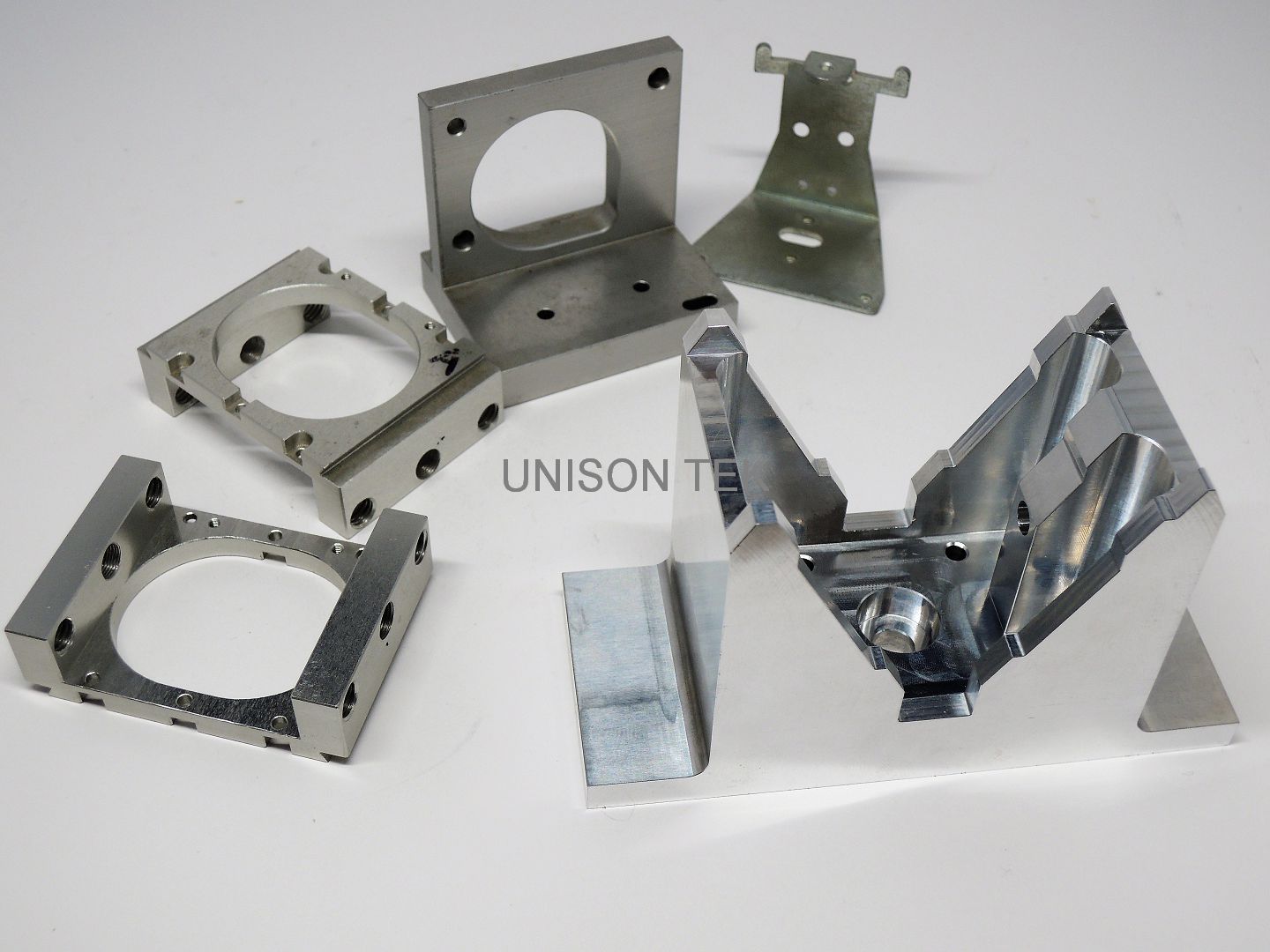
Differences between matte and bright tin plating: There are two major tin plating treatments that differ not only in their processes, but also their outcomes. The comparison is shown below:
Visit our website https://unisontek.com.tw Please visit our Products、Inspection Equipments
| Subject | Matte tin plating | Bright tin plating |
| Solderability | Better | Worse - whisker is easy to be shown due to impurity of organic materials |
| Reliability | Better | Worse - due to the whisker, solder short is likely to happen after a period of time. |
| Differences during soldering | Crystals are thicker | Brightener will be added, which makes the crystals much finer and shinier. But the organic materials will obstruct the process of soldering. |
| Stress residual | Tensile stress | Compressive inner stress |
| Cost | More expensive | Cheaper |
| Ratio of organic precipitate | Approx. 0.015% | Approx. 0.15% |
| Appearance | Matt, not glossy | Glossy, pleasing to look at |
| Temperature tolerance | Able to resist high temperature after soldering | Second to matte tin plating. |
| Application | Solder terminal or parts for SMT | Parts that require to be aesthemically good. |